 VIE
📌 Quick Summary
- WHO GMP is a set of Good Manufacturing Practices principles developed by the World Health Organization (WHO) to ensure that medicines are consistently manufactured and controlled in accordance with quality standards.
- Pharmaceutical manufacturing facilities subject to the applicable requirements must comply with GMP requirements set by the competent regulatory authorities to ensure compliance with the conditions for manufacturing and marketing medicines.
- The standard helps businesses standardize manufacturing operations, reduce the risk of quality variations between batches of medicines, and establish a foundation for meeting the requirements of target markets.
1. Current Quality Control Requirements in Pharmaceutical Manufacturing
Vietnam’s pharmaceutical market is growing but still faces several challenges, including counterfeit medicines, substandard medicines, and limitations in post-market surveillance. According to an article published by VOV on December 22, 2025, substandard medicines accounted for approximately 1-1.5% of all samples tested.
In addition, the sale of medicines through online channels that are difficult to monitor increases the risk of counterfeit and unverified medicines entering the market. According to the WHO, more than 50% of medicines sold through illegal websites that conceal their physical address may be counterfeit. More broadly, the WHO estimates that at least 1 in 10 medicines in low- and middle-income countries is substandard or falsified.
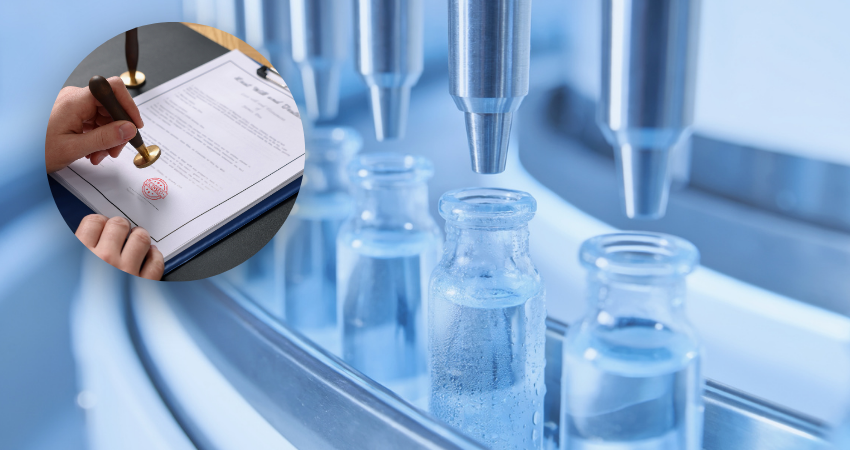
VOV also reported that Vietnam has 243 pharmaceutical manufacturing plants meeting WHO-GMP standards, 25 meeting EU-GMP standards, and 4 meeting PIC/S-GMP standards. These figures indicate that pharmaceutical manufacturing capabilities are gradually improving, while quality control and compliance with Good Manufacturing Practices remain important priorities.
In response to these challenges, pharmaceutical management is placing increasing emphasis on quality control and compliance with Good Manufacturing Practices. Pharmaceutical manufacturers must meet the applicable manufacturing requirements and maintain appropriate control systems to minimize errors and ensure product quality.
Among these standards, WHO GMP (Good Manufacturing Practices issued by the World Health Organization) is an important reference for the regulation and assessment of pharmaceutical manufacturing activities. Understanding WHO GMP requirements helps businesses identify what needs to be met and proactively improve their manufacturing operations in accordance with applicable regulations.
2. WHO GMP Standard
2.1 Definition of the WHO GMP Standard
WHO GMP (Good Manufacturing Practices) is a set of principles and guidelines for Good Manufacturing Practices developed by the World Health Organization (WHO) to ensure that medicines are consistently manufactured and controlled, meet quality requirements, and are suitable for their intended use.
Developed in the 1960s, WHO GMP guidelines have become a reference for many countries in establishing and applying Good Manufacturing Practices requirements in pharmaceutical regulation.
The standard establishes strict control principles for pharmaceutical manufacturing, requiring manufacturing facilities to maintain appropriate production conditions and comply with established procedures.
Role of the Standard
For pharmaceutical businesses, WHO GMP provides an important foundation for guiding manufacturing operations in accordance with Good Manufacturing Practices, helping maintain product quality and improve management capabilities. Meeting the applicable requirements also offers practical benefits, including:
- Maintaining consistent medicine quality: Reducing quality variations between production batches.
- Reducing risks: Preventing errors and minimizing non-compliant products.
- Improving management capabilities: Standardizing manufacturing procedures and responsibilities.
- Expanding cooperation opportunities: Facilitating cooperation with partners that require GMP compliance.
2.2. Applicable Facilities
WHO GMP applies to pharmaceutical manufacturing facilities within the scope of the relevant requirements, including:
- Pharmaceutical manufacturing facilities: Chemical pharmaceuticals, herbal medicines, and traditional medicines.
- Vaccine and biological product manufacturing facilities: In accordance with GMP requirements applicable to each type of product.
- Pharmaceutical active ingredient manufacturing facilities: Within the scope and requirements of the applicable GMP standards.
- Pharmaceutical packaging facilities: For operations that fall within the scope of GMP management.
3. What Are the Disadvantages of Not Meeting WHO GMP Requirements?
If a pharmaceutical manufacturer fails to meet the applicable WHO GMP requirements, it may face various challenges in its manufacturing and business operations, including:
- Impact on pharmaceutical manufacturing and market authorization: Manufacturing activities may be suspended, or the Certificate of Eligibility for Pharmaceutical Business Operations may be revoked if mandatory conditions are violated.
- Product recalls: Products that fail to meet quality standards may be recalled, resulting in revenue losses and additional handling costs.
- Administrative penalties: Facilities that violate regulations on manufacturing conditions or pharmaceutical quality may face fines, be required to take corrective action, or be subject to other measures in accordance with applicable regulations.
- Criminal liability: In cases involving the manufacture or sale of counterfeit medicines, or other violations that meet the legal criteria for a criminal offense, the individuals involved may face criminal prosecution under the Penal Code.
- Damage to reputation and cooperation opportunities: Violations related to manufacturing conditions or pharmaceutical quality may undermine partners’ trust, lead to the termination of business relationships, and reduce opportunities for market expansion.
Contact a WHO GMP Standards ConsultantTo minimize these risks, businesses should proactively review the applicable WHO GMP requirements and develop appropriate corrective action plans. Contact SQS Global for consultation and support from its team of experts in identifying the requirements that need to be met and determining solutions suited to the business’s actual needs.
4. Requirements of the Standard
The standard establishes requirements for various factors that may affect medicine quality during manufacturing. The main groups of requirements include:
- Premises and Facilities: Manufacturing premises must be appropriately designed and laid out according to production processes, with clearly defined functional areas and necessary hygienic conditions maintained. The layout must minimize the risks of contamination, cross-contamination, and mix-ups between products.
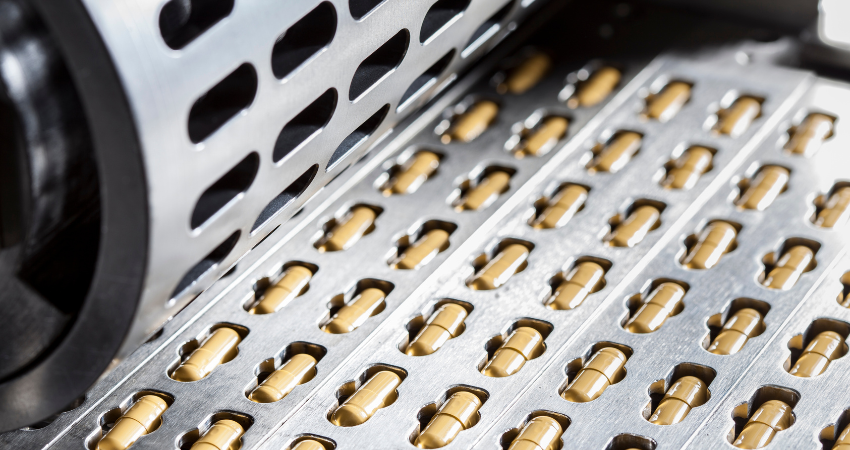
- Production Equipment: Equipment must be suitable for its intended use and installed, operated, and cleaned according to established procedures. Businesses must perform maintenance, inspections, and calibration when necessary, while maintaining records to monitor equipment status.
- Raw Materials: Active pharmaceutical ingredients, excipients, and packaging materials must be controlled throughout the processes of receipt, sampling, testing, storage, dispensing, and use. Only materials that meet quality requirements and have been approved may be used in production.
- Hygiene Control: Manufacturing facilities must maintain hygiene standards for personnel, premises, equipment, and utensils in accordance with established procedures. Appropriate hygiene and contamination prevention measures must be implemented to minimize risks that could affect medicine quality.
- Records and Documentation: Manufacturing procedures, work instructions, batch records, and test results must be recorded accurately and completely, and retained in accordance with applicable requirements. Records must ensure traceability and support inspections, assessments, and investigations when deviations occur.
- Personnel: Personnel must have appropriate professional qualifications and receive training in GMP and relevant procedures. Responsibilities for each position must be clearly assigned to ensure that manufacturing and quality control activities are carried out in accordance with the requirements.
What’s New in the WHO GMP Standard in 2026?
As of 2026, WHO has not issued a new version of WHO GMP that replaces all existing GMP guidelines. Pharmaceutical manufacturing facilities continue to apply the requirements currently in force while monitoring new updates from WHO and domestic regulatory authorities.
SQS Global will continue to provide updates on changes, guidelines, and new requirements related to WHO GMP, helping businesses stay informed and proactively adjust their manufacturing operations when new regulations or requirements come into effect.
5. Common GMP Standards in the Pharmaceutical Industry and Their Differences
WHO GMP, EU GMP, and PIC/S GMP all aim to ensure medicine quality throughout the manufacturing process. However, each system has different guideline frameworks and mechanisms for implementation. Businesses need to understand these differences to determine the appropriate approach based on legal requirements, product characteristics, and target markets.
| Criteria | WHO GMP | EU GMP | PIC/S GMP |
| Issuing Organization | World Health Organization (WHO) | European Medicines Agency (EMA) | Pharmaceutical Inspection Co-operation Scheme (PIC/S) |
| Nature | GMP guidelines used by countries as a basis for establishing or applying regulatory requirements for pharmaceutical manufacturing. | GMP guidelines linked to the obligation to comply with EU pharmaceutical legislation. | A cooperation mechanism among regulatory authorities aimed at harmonizing GMP standards and inspection practices. It is not a direct certification program for manufacturing facilities. |
| Main Purpose | To establish principles that ensure medicines are consistently manufactured and controlled, reducing risks that could affect quality. | To ensure that manufacturers comply with GMP requirements under the EU pharmaceutical regulatory system. | To improve consistency among inspection authorities, strengthen mutual confidence, and facilitate international cooperation in GMP regulation. |
| Scope of Application | Used as a basis for pharmaceutical manufacturing and quality control in accordance with WHO guidelines and relevant national regulations. | The EU market and activities within the scope of EU legislation. | Pharmaceutical regulatory authorities participating in PIC/S and markets that refer to its guidelines. |
| Assessment Mechanism | The competent national regulatory authority conducts assessments, inspections, or applies relevant mechanisms. | Competent authorities conduct inspections and carry out corresponding legal procedures within the EU system. | Competent inspection authorities conduct assessments under the applicable system. PIC/S assesses the equivalence of regulatory authorities’ inspection systems and does not directly certify manufacturing facilities. |
Which Standard Should Businesses Choose?
- WHO GMP: When a business needs to meet GMP requirements in its target market, particularly where WHO GMP guidelines are adopted or referenced.
- EU GMP: When a business targets the EU market or manufactures medicines for partners that require EU GMP compliance.
- PIC/S GMP: When a business targets markets where regulatory authorities apply or refer to PIC/S GMP.
6. Frequently Asked Questions About WHO GMP (FAQ)
WHO GMP applies to the manufacturing and quality control of medicines. WHO also provides specific guidelines for product categories such as active pharmaceutical ingredients (APIs), sterile medicines, vaccines, and biological products.
Yes. Facility size is not the only factor determining whether GMP applies. Facilities must meet the GMP requirements relevant to their manufacturing activities and the regulations of the competent regulatory authorities.
Yes. WHO has issued specific GMP guidelines for sterile medicines, focusing on microbiological contamination risks, environmental control, aseptic processes, and contamination prevention measures.
**Conclusion
WHO GMP is an important foundation for pharmaceutical businesses to maintain manufacturing operations in accordance with quality control principles and meet current regulatory requirements. As medicine quality requirements receive increasing attention, businesses should proactively assess their level of GMP compliance and determine an implementation roadmap aligned with their development objectives.