COSMETIC GMP CONSULTING & TRAINING SERVICES

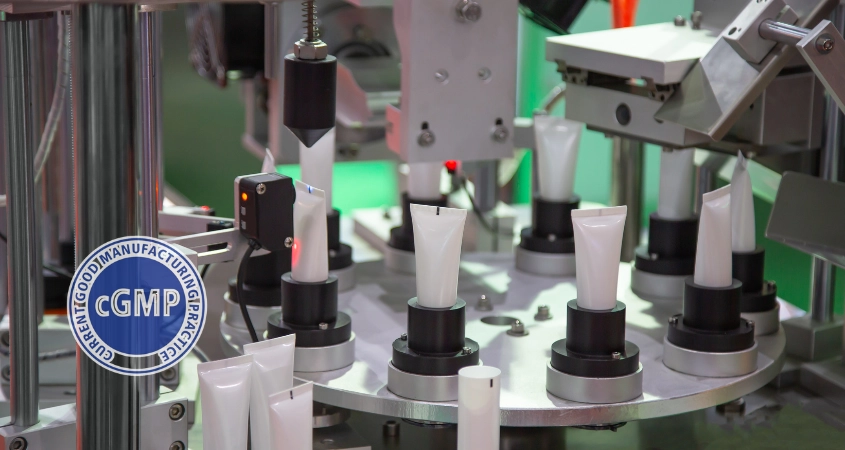
✓ A team of experienced experts providing direct consulting, training, and hands-on support for the implementation of Cosmetic GMP (CGMP) systems within manufacturing facilities.

✓ Support in developing a CGMP ASEAN implementation roadmap aligned with the current status of the manufacturing facility and the company’s business development objectives.

✓ Enhance competitive advantages when partnering with customers, OEM/ODM brands, distribution networks, and expanding into new markets.

✓ Assist companies in meeting requirements related to cosmetic manufacturing facilities, SOPs, QA/QC systems, quality documentation, and production control in accordance with CGMP principles.

✓ Conduct readiness assessments, perform Gap Analysis, and provide recommendations for improvement prior to GMP compliance assessment and inspection.

Chứng nhận CGMP mỹ phẩm
Chứng nhận CGMP

COSMETIC GMP CONSULTING & TRAINING SERVICES

✓ A team of experienced experts providing direct consulting, training, and hands-on support for the implementation of Cosmetic GMP (CGMP) systems within manufacturing facilities.

✓ Support in developing a CGMP ASEAN implementation roadmap aligned with the current status of the manufacturing facility and the company’s business development objectives.

✓ Enhance competitive advantages when partnering with customers, OEM/ODM brands, distribution networks, and expanding into new markets.

✓ Assist companies in meeting requirements related to cosmetic manufacturing facilities, SOPs, QA/QC systems, quality documentation, and production control in accordance with CGMP principles.

✓ Conduct readiness assessments, perform Gap Analysis, and provide recommendations for improvement prior to GMP compliance assessment and inspection.

Chứng nhận CGMP mỹ phẩm

Cosmetic market trends and the value of cosmetic GMP certification

The cosmetics industry is experiencing strong growth, driven by the increasing number of brands, manufacturing facilities, and contract manufacturers entering the market. In this competitive environment, product quality, safety, and production control have become critical factors that determine a company’s reputation and long-term sustainability.

In addition to meeting consumer demands, cosmetic manufacturers are facing increasingly stringent requirements from regulatory authorities, distributors, and private-label brands. As a result, Cosmetic GMP (Good Manufacturing Practice) certification is widely recognized as a fundamental framework for improving production capabilities, strengthening quality management systems, and minimizing operational risks throughout the manufacturing process.

**In Vietnam, the Drug Administration of Vietnam (DAV) under the Ministry of Health is the competent authority responsible for receiving applications, conducting assessments, and issuing certificates confirming compliance with Good Manufacturing Practice (GMP) principles for cosmetic manufacturing facilities in accordance with Circular No. 06/2011/TT-BYT

Benefits of achieving cosmetic GMP certification

Obtaining Cosmetic GMP certification not only demonstrates compliance with Good Manufacturing Practice requirements but also provides a solid foundation for enhancing manufacturing capabilities, quality management, and market expansion. Key benefits include:

  • Expanding opportunities for product notification, market access, and distribution within ASEAN member countries in accordance with CGMP ASEAN requirements
  • Strengthening brand reputation and increasing trust among customers, business partners, and regulatory authorities
  • Standardizing cosmetic manufacturing systems through effective control of facilities, equipment, personnel, and production processes in compliance with CGMP requirements
  • Ensuring consistent product quality while reducing production errors and quality-related risks
  • Supporting compliance with regulatory requirements related to cosmetic manufacturing conditions and quality management systems
  • Creating competitive advantages when collaborating with cosmetic brands, OEM/ODM partners, and distribution networks

Penalties for non-compliance with cosmetic GMP requirements

Cosmetic manufacturing facilities that fail to comply with Cosmetic Good Manufacturing Practice (CGMP ASEAN) requirements may be subject to regulatory enforcement actions in accordance with applicable regulations, including:

  • Administrative fines for failing to implement CGMP requirements or manufacturing cosmetic products that do not meet established quality standards
  • Suspension of manufacturing operations or regulatory actions affecting licenses, permits, or production approvals, depending on the severity of non-compliance
  • Mandatory product recall, product disposal, and implementation of corrective and preventive actions (CAPA) as required by the competent authority
  • Additional costs associated with system remediation, production interruptions, regulatory non-compliance, and potential reputational damage

Cosmetic market trends and the value of cosmetic GMP certification

The cosmetics industry is experiencing strong growth, driven by the increasing number of brands, manufacturing facilities, and contract manufacturers entering the market. In this competitive environment, product quality, safety, and production control have become critical factors that determine a company’s reputation and long-term sustainability.

In addition to meeting consumer demands, cosmetic manufacturers are facing increasingly stringent requirements from regulatory authorities, distributors, and private-label brands. As a result, Cosmetic GMP (Good Manufacturing Practice) certification is widely recognized as a fundamental framework for improving production capabilities, strengthening quality management systems, and minimizing operational risks throughout the manufacturing process.

**In Vietnam, the Drug Administration of Vietnam (DAV) under the Ministry of Health is the competent authority responsible for receiving applications, conducting assessments, and issuing certificates confirming compliance with Good Manufacturing Practice (GMP) principles for cosmetic manufacturing facilities in accordance with Circular No. 06/2011/TT-BYT

Benefits of achieving cosmetic GMP certification

Obtaining Cosmetic GMP certification not only demonstrates compliance with Good Manufacturing Practice requirements but also provides a solid foundation for enhancing manufacturing capabilities, quality management, and market expansion. Key benefits include:

  • Expanding opportunities for product notification, market access, and distribution within ASEAN member countries in accordance with CGMP ASEAN requirements
  • Strengthening brand reputation and increasing trust among customers, business partners, and regulatory authorities
  • Standardizing cosmetic manufacturing systems through effective control of facilities, equipment, personnel, and production processes in compliance with CGMP requirements
  • Ensuring consistent product quality while reducing production errors and quality-related risks
  • Supporting compliance with regulatory requirements related to cosmetic manufacturing conditions and quality management systems
  • Creating competitive advantages when collaborating with cosmetic brands, OEM/ODM partners, and distribution networks

Penalties for non-compliance with cosmetic GMP requirements

Cosmetic manufacturing facilities that fail to comply with Cosmetic Good Manufacturing Practice (CGMP ASEAN) requirements may be subject to regulatory enforcement actions in accordance with applicable regulations, including:

  • Administrative fines for failing to implement CGMP requirements or manufacturing cosmetic products that do not meet established quality standards
  • Suspension of manufacturing operations or regulatory actions affecting licenses, permits, or production approvals, depending on the severity of non-compliance
  • Mandatory product recall, product disposal, and implementation of corrective and preventive actions (CAPA) as required by the competent authority
  • Additional costs associated with system remediation, production interruptions, regulatory non-compliance, and potential reputational damage

Effective CGMP cosmetic manufacturing facility investment roadmap

Many companies only begin focusing on CGMP when preparing for certification or expanding production capacity. However, this is often when significant costs arise from facility modifications, production line redesign, and quality system upgrades. Assessing CGMP readiness and establishing an implementation roadmap at an early stage helps companies optimize investments and support long-term business growth.

Key considerations before implementing cosmetic GMP

Organizations should evaluate the following factors before initiating a CGMP project:

  • Own Brand or OEM/ODM Manufacturing?
  • What is the projected production capacity over the next 3–5 years?
  • Is the target market domestic, ASEAN, or international?
  • Does the company plan to export cosmetic products in the future?
  • Are current resources sufficient to support long-term growth objectives?


What stage is your company currently in?

Identifying the correct stage helps determine the most appropriate CGMP implementation strategy.

  • Planning a new cosmetic manufacturing facility
  • Constructing and commissioning a production facility
  • Operating an existing facility that requires CGMP compliance upgrades
  • Expanding production capacity or investing in new manufacturing lines
  • Preparing for export activities or ASEAN market expansion

Each stage of business development requires different levels of investment, implementation planning, and GMP compliance activities. Therefore, companies should clearly assess their current situation, production objectives, and growth strategy before selecting the most appropriate approach.

Working with an experienced Cosmetic GMP consulting and training provider can help reduce implementation time, minimize compliance gaps, and improve readiness for regulatory inspections and GMP assessments.

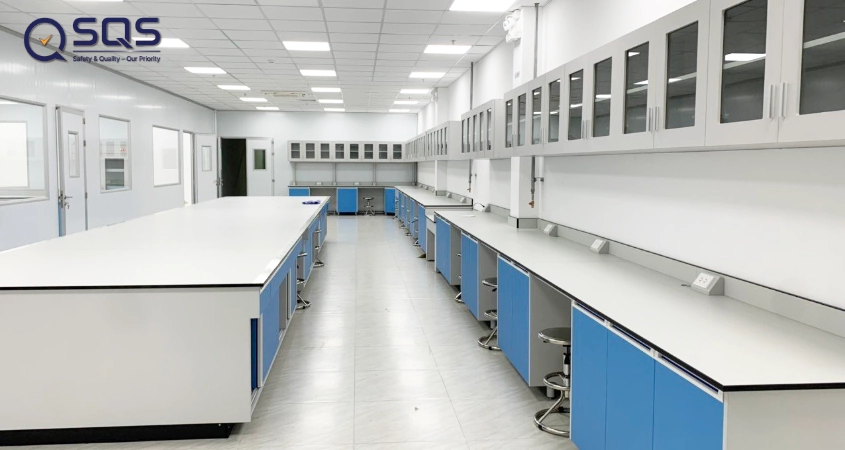
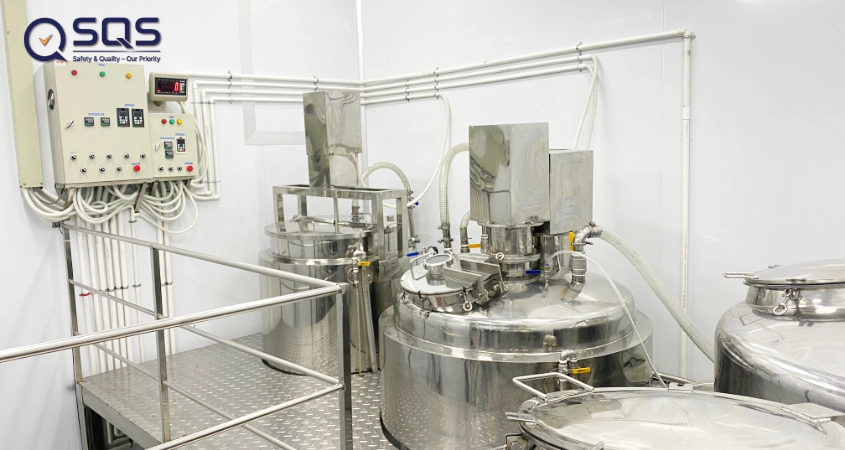
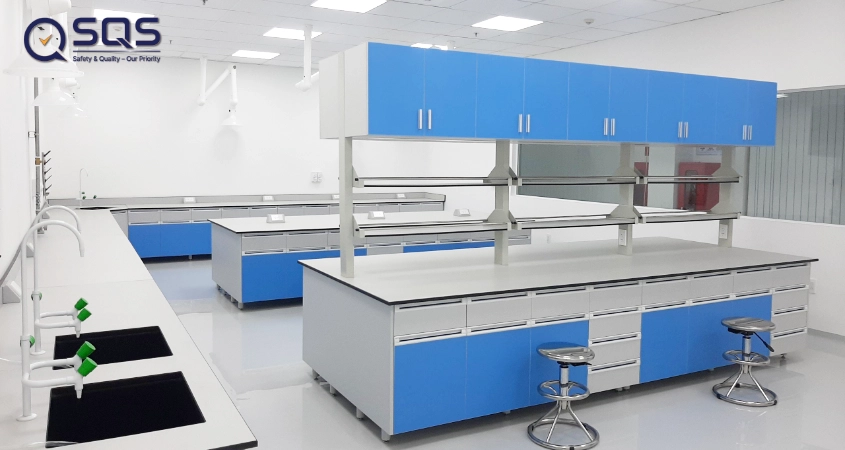
Phòng sạch sản xuất mỹ phẩm đạt chuẩn chứng nhận cGMP

**SQS Global does not issue Cosmetic GMP certificates. Cosmetic manufacturing facilities are assessed and certified by the Drug Administration of Vietnam (DAV) under the Ministry of Health in accordance with applicable regulations. SQS Global supports organizations through GMP consulting, personnel training, quality system development, and preparation for regulatory inspections and compliance assessments.

Effective CGMP cosmetic manufacturing facility investment roadmap

Many companies only begin focusing on CGMP when preparing for certification or expanding production capacity. However, this is often when significant costs arise from facility modifications, production line redesign, and quality system upgrades. Assessing CGMP readiness and establishing an implementation roadmap at an early stage helps companies optimize investments and support long-term business growth.

Phòng sạch sản xuất mỹ phẩm đạt chuẩn chứng nhận cGMP

Key considerations before implementing cosmetic GMP

Organizations should evaluate the following factors before initiating a CGMP project:

  • Own Brand or OEM/ODM Manufacturing?
  • What is the projected production capacity over the next 3–5 years?
  • Is the target market domestic, ASEAN, or international?
  • Does the company plan to export cosmetic products in the future?
  • Are current resources sufficient to support long-term growth objectives?


Phòng sạch sản xuất mỹ phẩm đạt chuẩn chứng nhận cGMP

What stage is your company currently in?

Identifying the correct stage helps determine the most appropriate CGMP implementation strategy.

  • Planning a new cosmetic manufacturing facility
  • Constructing and commissioning a production facility
  • Operating an existing facility that requires CGMP compliance upgrades
  • Expanding production capacity or investing in new manufacturing lines
  • Preparing for export activities or ASEAN market expansion

Each stage of business development requires different levels of investment, implementation planning, and GMP compliance activities. Therefore, companies should clearly assess their current situation, production objectives, and growth strategy before selecting the most appropriate approach.

Working with an experienced Cosmetic GMP consulting and training provider can help reduce implementation time, minimize compliance gaps, and improve readiness for regulatory inspections and GMP assessments.

**SQS Global does not issue Cosmetic GMP certificates. Cosmetic manufacturing facilities are assessed and certified by the Drug Administration of Vietnam (DAV) under the Ministry of Health in accordance with applicable regulations. SQS Global supports organizations through GMP consulting, personnel training, quality system development, and preparation for regulatory inspections and compliance assessments.

Cosmetic GMP consulting & Training services

SQS Global provides comprehensive Cosmetic GMP consulting, training, assessment, and implementation support services tailored to each stage of business development. Whether you are investing in a new manufacturing facility, upgrading an existing cosmetic production site, or preparing for export markets, our experts will help develop an effective CGMP ASEAN implementation roadmap aligned with your operational needs and business objectives.

For companies ưithout a cosmetic manufacturing eligibility certificate

This category typically includes businesses that are investing in a new facility, establishing a cosmetic manufacturing plant, or preparing to implement a Cosmetic GMP system to comply with manufacturing and quality management requirements.

SQS Global Supports

  • CGMP-compliant facility development consulting
  • Guidance on CGMP ASEAN system implementation
  • GMP awareness and personnel training programs
  • Development of quality documentation, SOPs, and quality records
  • Readiness assessment prior to regulatory inspection
  • Dossier preparation and regulatory support

For companies that already hold a cosmetic manufacturing eligibility certificate

This category includes companies with operational manufacturing facilities seeking to strengthen quality management systems, improve operational performance, or implement CGMP ASEAN to enhance market competitiveness.

SQS Global Supports

  • Assessment of existing Cosmetic GMP systems
  • Advanced training for QA, QC, and production personnel
  • Internal audits and Gap Analysis
  • Quality Management System (QMS) improvement consulting
  • Preparation support for CGMP ASEAN assessments
  • Post-certification system maintenance and continual improvement

Note: Cosmetic GMP certification is valid for three (3) years. Organizations are required to maintain the system and undergo surveillance audits and recertification activities in accordance with applicable requirements.

Frequently asked questions about cosmetic GMP certification and trainin

Yes. Under current regulations, cosmetic manufacturing facilities must comply with the principles of Cosmetic Good Manufacturing Practice (CGMP ASEAN) to ensure appropriate manufacturing conditions, quality control, and product safety before products are released to the market.

A Cosmetic GMP assessment application typically includes:

  • Application form for cosmetic manufacturing facility assessment.
  • Business Registration Certificate.
  • Organizational chart and list of key personnel.
  • Cosmetic manufacturing facility layout plan.
  • List of manufacturing equipment and quality control instruments.
  • List of cosmetic products intended for manufacture.
  • Quality Management System documentation and SOPs.
  • Personnel training records related to manufacturing and quality control.
  • Facility, equipment, and environmental hygiene records.
  • QA/QC documentation, quality control records, and production traceability records.

Depending on the size and current status of the facility, additional supporting documents may be required by the assessment authority.

The implementation timeline for Cosmetic GMP typically ranges from 3 to 12 months, depending on the organization’s current level of readiness:

  • Approximately 3–6 months for facilities with relatively established manufacturing operations, equipment, and quality management systems.
  • Approximately 6–12 months or longer for new facility construction projects or facilities requiring significant upgrades to comply with CGMP ASEAN requirements.

To shorten the implementation timeline, companies should engage an experienced Cosmetic GMP consulting and training provider to conduct a readiness assessment, perform a Gap Analysis, and develop an implementation roadmap at an early stage of facility investment or expansion planning.

A Cosmetic Manufacturing Eligibility Certificate is an official document issued by the competent authority confirming that a facility meets the basic regulatory requirements for cosmetic manufacturing.

In contrast, Cosmetic GMP certification focuses on the comprehensive assessment of Good Manufacturing Practice implementation, including facilities, equipment, personnel, documentation systems, QA/QC activities, and quality control processes.

In simple terms, the Cosmetic Manufacturing Eligibility Certificate authorizes a facility to manufacture cosmetic products, while Cosmetic GMP certification demonstrates the organization’s manufacturing capability and quality management competence.

Other Certification Services Offered by SQS Global

Pharmaceutical & Cosmetics Industry

ISO 13485

ISO 13485 Certification

Other Certification Services Offered by SQS Global

Pharmaceutical & Cosmetics Industry

ISO 13485

ISO 13485 Certification